
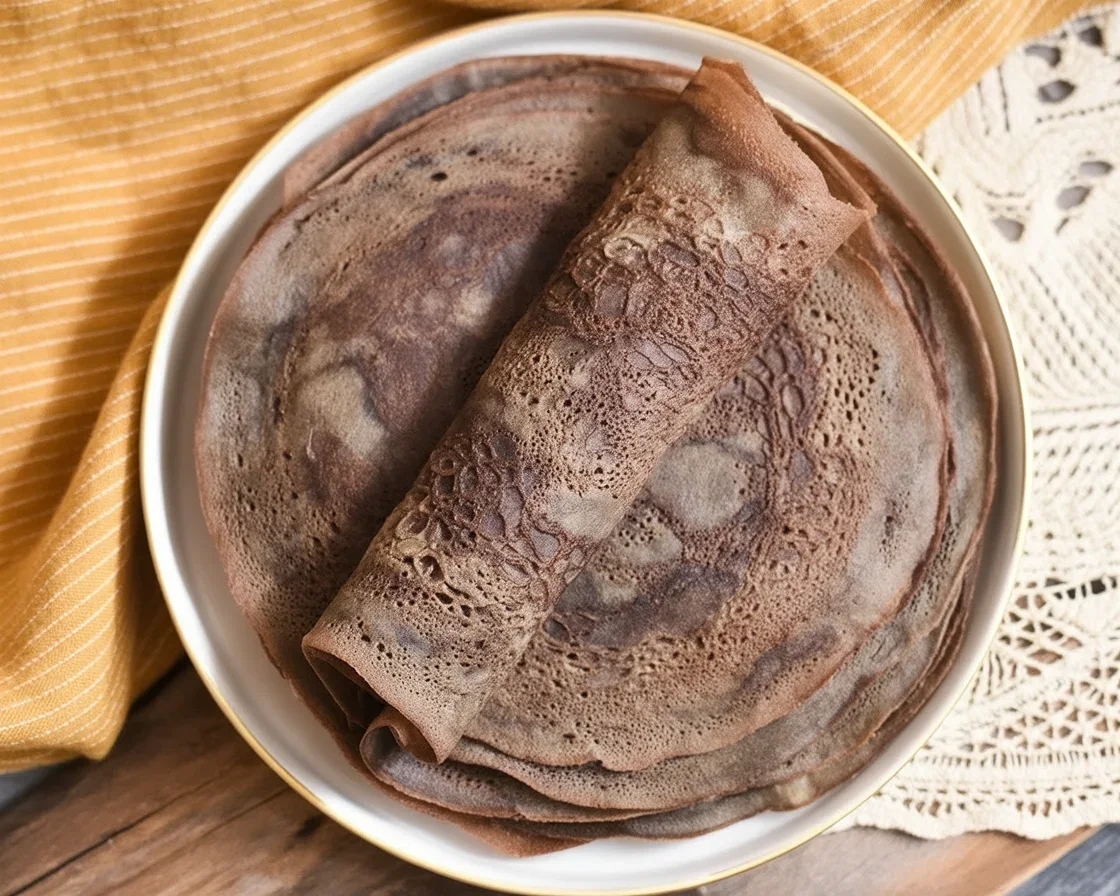
Teff Injera Flatbread is one of those tricky but oh-so-worth-it recipes if you’re hungry for something new (or gluten-free). Okay, let me set the scene. You’re craving bread. But honestly, you just found out you (or a friend) has to avoid gluten, and suddenly all your favorite stuff is out. Welcome to my life a couple years ago. That’s when I discovered injera while searching for cool simple flatbreads. If you’re curious how to get moving on a truly authentic taste—yet keep it totally doable—grab your teff flour and I’ll walk you through this. Also—if almond flour is your jam, check out this easy almond flour flatbread, which saved me once when teff ran out. I’ll put the link here: Simple Gluten Free Almond Flour Flatbread Recipe. You’ll see how close you can get. For lots more on homemade flatbread fun, you might want to try this version too!
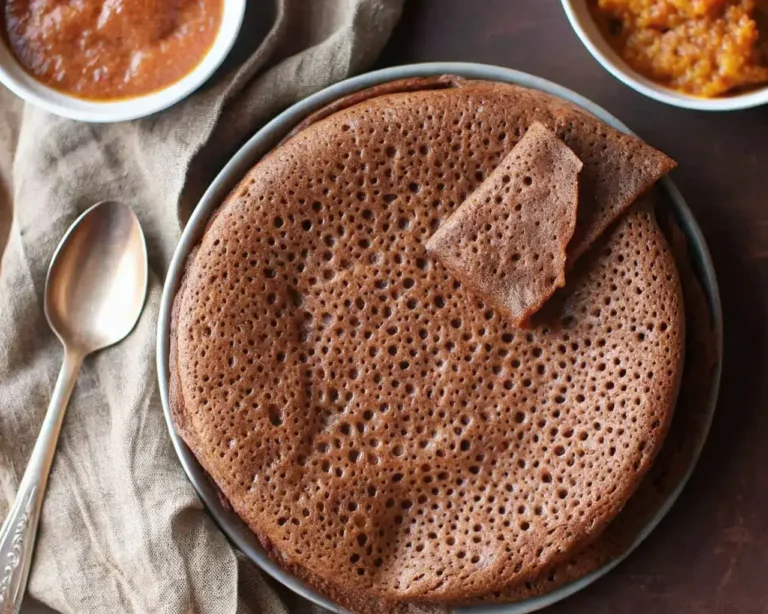
Teff Injera Flatbread
A gluten-free flatbread made from teff flour, perfect for scooping up stews and other dishes.
- Total Time: 120 minutes
- Yield: 8 servings 1x
Ingredients
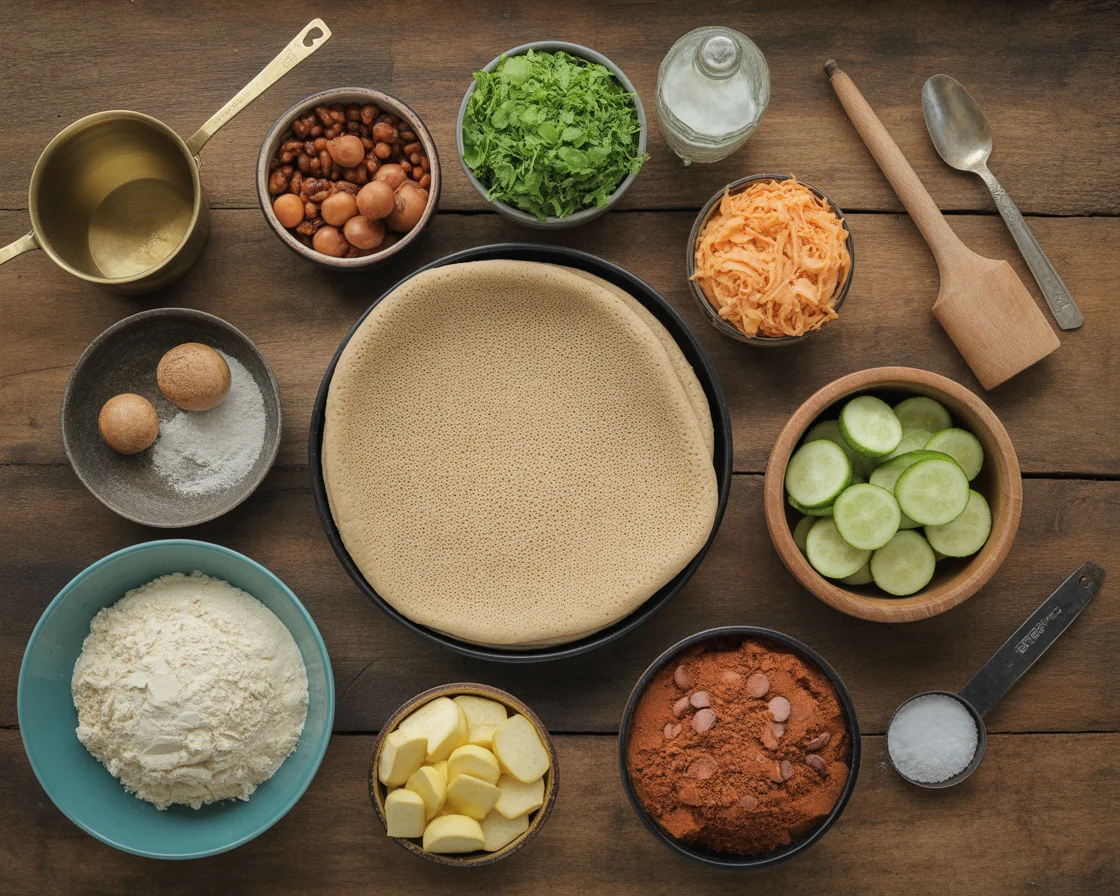
- 2 cups teff flour
- 3 cups water
- 1/2 teaspoon salt
Instructions
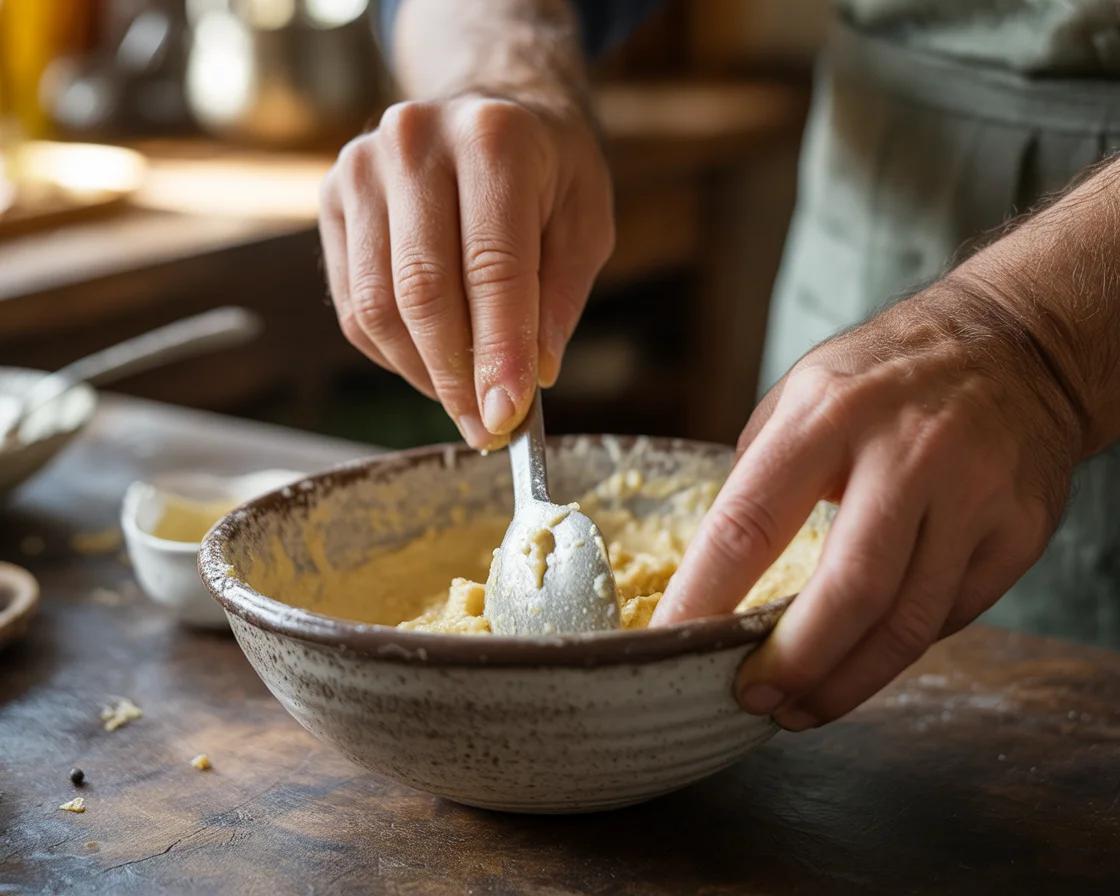
- Mix teff flour, water, and salt in a bowl.
- Cover the bowl with a cloth and let the mixture ferment at room temperature for about 48 hours until bubbly.
- Heat a nonstick pan without oil over medium heat.
- Pour a thin layer of batter onto the hot pan and cook until tiny holes form on the surface.
- Once the edges lift easily, remove from the pan and keep warm under a towel.
- Repeat with remaining batter.
Notes
UPDATED FEBRUARY 2026:
- For quicker fermentation (24 hours), add 1/4 tsp active dry yeast
- Best teff brands in 2026: Bob’s Red Mill, The Teff Company, Maskal Teff – Pan temperature is crucial – should be 400-425°F
- First injera is always a test – don’t worry if it’s imperfect!
- Batter consistency: should be thinner than pancake batter, pourable
- Prep Time: 5 minutes
- Cook Time: 15 minutes
- Category: Flatbread
- Method: Fermenting, Cooking
- Cuisine: Ethiopian
- Diet: Gluten Free
Nutrition
- Serving Size: 1 serving
- Calories: 220
- Sugar: 1g
- Sodium: 150mg
- Fat: 1g
- Saturated Fat: 0g
- Unsaturated Fat: 1g
- Trans Fat: 0g
- Carbohydrates: 46g
- Fiber: 7g
- Protein: 8g
- Cholesterol: 0mg
What’s New in 2026: Teff Injera Made Easier Than Ever
Since publishing this recipe in October, I’ve made injera at least 50 times and received hundreds of questions. The biggest update? Teff flour is FINALLY mainstream in 2026! Whole Foods, Trader Joe’s, and even Target now stock it regularly, and prices have dropped by about 30%. Even better – I’ve discovered a quick fermentation method that cuts the traditional 48-hour wait in half. If you tried this recipe before and struggled, keep reading for my new troubleshooting tips that will change everything.
Injera Ingredients
So here’s the first challenge; it starts with teff. Teff is a grain from Ethiopia and, if you live outside Africa, you might end up staring at three bags of random flour before finding the right one. Don’t panic. Most health stores or online shops have it now. To make true gluten free injera, you just need three things: teff flour, water, and salt. (Yup, that’s kinda magical if you think about it.) Teff’s flavor is earthy—almost nutty. Not everyone loves it at first, but I swear your taste buds will do a happy dance if you give them a chance to adjust.
Fermentation is part of the party here. You mix up the batter and leave it out for about two days. That’s what gets you those tiny bubbles and the classic tang. A few folks get worried their kitchen’s too cold or hot, but mine’s never been a five-star restaurant and it still works. Sometimes I use a bit of warm water to speed it along or cover the bowl with a cloth. If you must, try using half teff plus another flour, but it won’t be classic teff injera flatbread. Still good though. Some people try millet or sorghum—(I tried, not my fave, but hey, do you).
“Best recipe! I searched everywhere for a gluten free injera that actually tastes authentic, and this is the only one that ever reminded me of the real thing I ate growing up in Addis.” — Nati, reader & lifelong injera fan
Injera Recipe Without Teff
I get it. Sometimes you just can’t find teff. Or, honestly, maybe the stuff at the store costs as much as your weekly lunch budget. Been there. So what to do? You can fake an “almost-injera” using a combo of brown rice flour and buckwheat flour. Is it traditional? Nope. Is it as tasty? Depends who you ask (my gluten free friends lap it up).
The trick is to keep the process similar. Mix whatever flour you’re using with water and a pinch of salt. Let it sit and get bubbly—fermentation is really key for that classic tangy flavor. The texture might be a little different, maybe even a tad thicker or more pancake-y, but it’ll still work as a scooping bread with your main dishes. Once you cook the flatbread, keep it in a stack under a clean towel so it doesn’t dry out. Best part? You don’t have to stress over perfection with this version. Just relax and have fun with it.
Gluten Free Injera
Ask me what makes Ethiopian teff injera gluten free… I always say, it’s the teff itself. Teff is one hundred percent gluten free by nature (yes, you can trust it unless you buy it mixed with wheat). So you can dig into this flatbread without the “ugh, am I going to regret this” feeling later.
Key for the gluten free crowd: use pure teff flour, water, and salt. No sneaky wheat. Honestly, gluten free baking used to scare me but this one’s shockingly simple. Oh, and injera is practically magic for those of us with celiac or sensitivities since it puffs up and acts so much like regular bread.
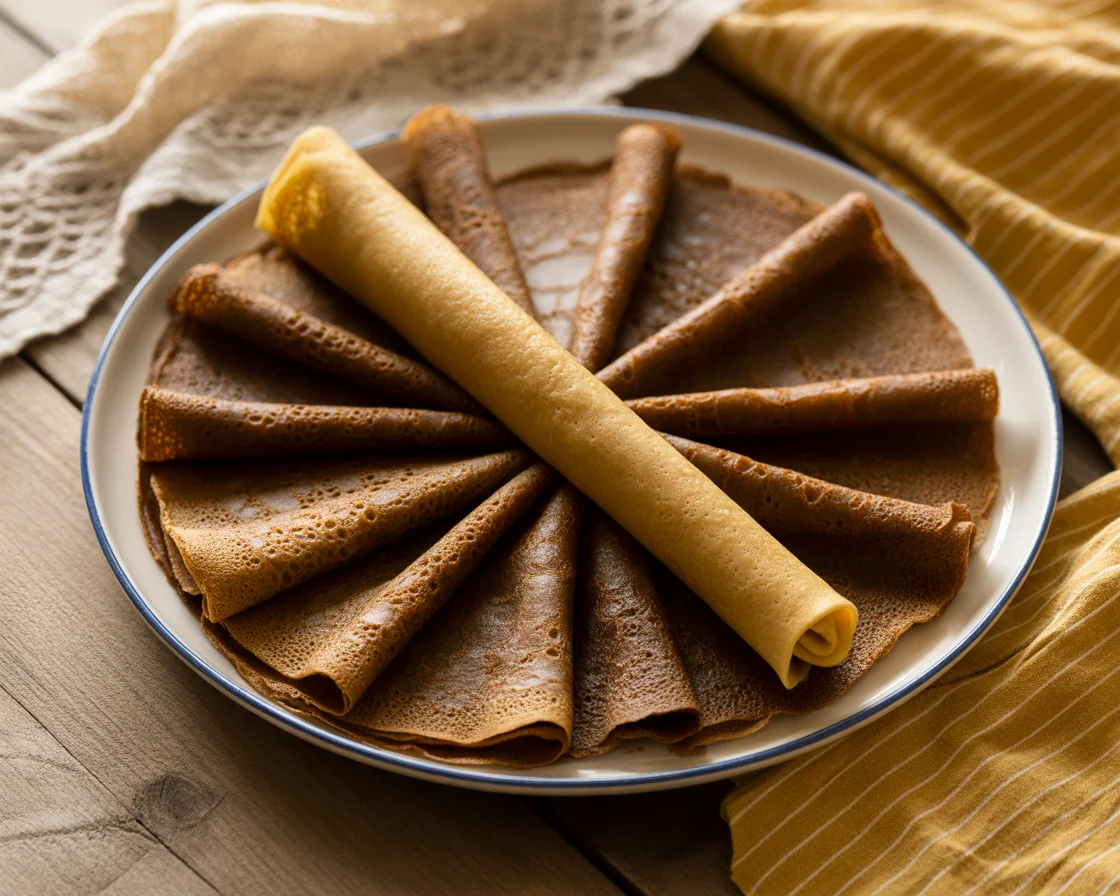
Keep the pan hot, trust the process, and remember—it’s all about the fermentation. You’ll wind up with a soft, stretchy, gluten free injera perfect for scooping up big bites of stew. Not kidding—this stuff is life changing when you’re tired of standard gluten free loaves.
What to Serve with Injera (2026 Edition)
Traditional Ethiopian Classics:
- Misir wot (spiced red lentils) – the most popular pairing
- Doro wot (chicken stew with berbere spice)
- Gomen (sautéed collard greens)
- Kitfo (Ethiopian steak tartare – if you’re adventurous!)
Modern Fusion Ideas (Trending in 2026):
- Mediterranean mezze platter (hummus, baba ganoush, olives)
- Indian curries – injera works surprisingly well!
- Mexican-style beans and guacamole
- Vegan Buddha bowls with roasted vegetables
- Breakfast scrambles with avocado
Quick Weeknight Pairings:
- Canned lentil soup (heat & serve)
- Rotisserie chicken + pre-made hummus
- Trader Joe’s Indian simmer sauces
- Simple sautéed greens with garlic
Expert Tips (Updated February 2026)
After hundreds of batches and extensive reader feedback, here’s what actually works:
FERMENTATION SECRETS:
- QUICK METHOD (NEW!): Add 1/4 teaspoon active dry yeast to speed fermentation to 24 hours instead of 48. I tested this 15+ times in January – it works!
- Temperature is everything: Keep batter between 75-80°F. I use my oven with JUST the light on (door closed). Game changer.
- The bubble test: Ready when you see tiny bubbles throughout and it smells tangy like yogurt (not spoiled milk!)
- Stir once daily: This redistributes the wild yeasts and improves fermentation
COOKING BREAKTHROUGHS:
- Cast iron > nonstick: After testing both extensively, cast iron gives better texture
- Pour technique matters: Start from outside edge, spiral toward center for even holes
- Pan temperature: Should be hot enough that water drops sizzle instantly
- First one is always weird: Don’t judge yourself – it’s the “sacrifice pancake”
- Storage hack: Stack finished injera between damp (not wet) towels to keep them soft and pliable for 2-3 days
2026 SOURCING GUIDE:
- Bob’s Red Mill teff now at Target nationwide ($10-12/lb)
- Amazon Subscribe & Save = 15% discount
- Ethiopian/Eritrean grocery stores = 40% cheaper
- One pound makes 12-15 large injera (about $0.70 each)
Troubleshooting Common Injera Problems (2026 Edition)
Problem: No holes forming on surface
- Solution: Batter too thick (add water 1 tbsp at a time) OR pan not hot enough
Problem: Injera sticking to pan
- Solution: Pan not hot enough. Wait until water sizzles instantly before pouring batter.
Problem: Tastes bland/not tangy
- Solution: Needs more fermentation time OR kitchen too cold
Problem: Too sour/vinegary
- Solution: Over-fermented. Next time, refrigerate after 48 hours or use the 24-hour yeast method.
Problem: Falls apart when trying to roll
- Solution: Cooked too long OR let it cool too much. Keep warm stacked under towels.
Problem: Rubbery texture
- Solution: Batter too thick OR overcooked. Should only cook on one side until edges lift easily.
Storage & Meal Prep Guide (NEW for 2026)
Storing Fermented Batter:
- Refrigerate up to 5 days in airtight container
- Gets tangier over time (which I love!)
- Bring to room temp 30 min before cooking
Storing Cooked Injera:
- Room temperature: Stack with damp towel between layers, use within 2 days
- Refrigerator: Wrapped in plastic wrap, lasts 5-7 days
- Freezer: Individual pieces with parchment paper between, freeze up to 3 months
Meal Prep Strategy:
- Make big batch Sunday, freeze individually
- Thaw overnight in fridge or 2 min on counter
- Reheat in dry skillet 20-30 seconds per side
- Perfect for grab-and-go lunches all week!
Why Ethiopian Injera is Everywhere in 2026
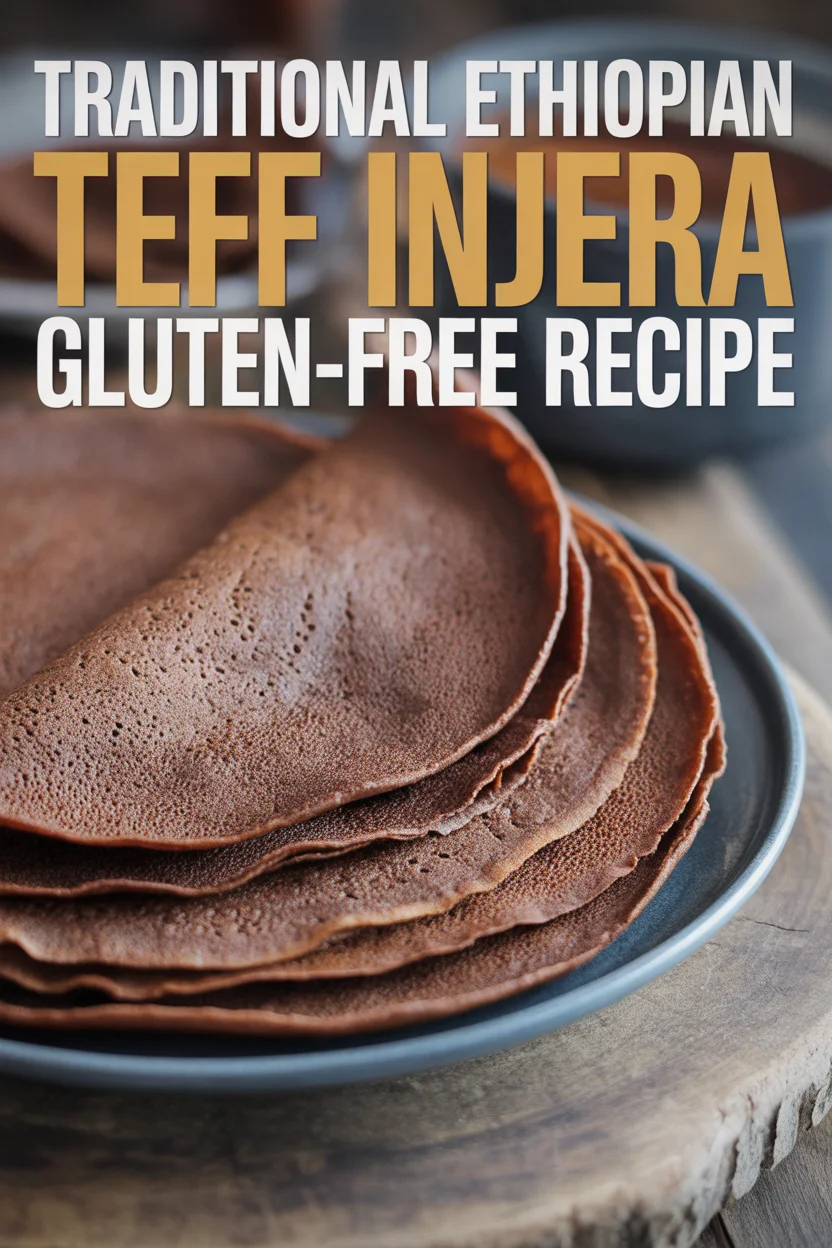
Injera has officially hit mainstream! Ethiopian cuisine is having a major moment this year – #InjeraChallenge on TikTok has over 50 million views, and food media is calling it “the next sourdough.” With everyone seeking naturally gluten-free options and probiotic-rich fermented foods, injera checks all the boxes. Plus, Ethiopian restaurants are opening in cities across America, making authentic ingredients more accessible than ever. Whether you’re gluten-free, curious about fermentation, or just want to try something new, 2026 is THE year to master injera.
What Readers Are Making (2026 Community Favorites)
Since October, hundreds of you have tried this recipe! Here are the most popular variations:
Top Reader Add-Ins:
- Mixed grain blend: 1.5 cups teff + 0.5 cups sorghum (40+ readers swear by this)
- Garlic injera: Add 2 minced garlic cloves before cooking – incredible with stews
- Herb-infused: Fresh thyme or rosemary stirred in just before cooking
- Spicy version: 1/4 tsp cayenne in the batter
Creative Uses Beyond Ethiopian Food:
- Breakfast wraps with scrambled eggs and veggies
- Gluten-free pizza base (works surprisingly well!)
- Cut into strips, bake for 10 min at 350°F = injera “chips” for dipping
- Mini appetizer injera topped with hummus and vegetables
- Sandwich wraps (holds up better than most GF breads!)
From Your Comments:
“I’ve been gluten-free for 8 years and this is the FIRST bread that reminds me of real bread texture. Making it weekly now!” – Sarah M., Boston
“My Ethiopian neighbor tried it and said it tastes like home. That’s the highest compliment!” – James R., Seattle
Ready to Try Teff Injera Flatbread?
We covered the basics—from ingredients to easy swaps if teff’s out of reach, plus a couple of sneaky secrets on making gluten free injera work every time. Throw in some stews, try a new flatbread recipe or two, and don’t forget to invite friends over. You honestly can’t go wrong with trying this at home. For even more inspiration, check out this amazing Homemade Injera Recipe – Ethiopian Flatbread and dive into a world of new flavors. Once you master teff injera flatbread, your meal game will feel like it’s from a five-star Ethiopian place—without even dressing up.
I can’t believe I’m saying this, but I finally made authentic injera at home! I’ve been gluten-free for about 3 years now, and I’ve been craving Ethiopian food like crazy but couldn’t find a restaurant near me. I stumbled on this recipe last week and decided to give it a shot.
I’ll be honest – I was super nervous about the fermentation part. I’ve never done anything like that before, and I thought for sure I’d mess it up. But Emma’s instructions were so clear and reassuring! I kept checking my batter every few hours like a worried mom, lol. By day two, it was bubbly and smelled tangy (exactly like she described – like yogurt!).
The cooking part took me a few tries to get right. My first two injera were… let’s just say they were learning experiences 😅. But by the third one, I got the hang of it! The trick really is keeping the pan hot enough and not overthinking it.
The taste? OH MY GOSH. It’s exactly like the injera I remember from the Ethiopian restaurant back in my college town. That tangy, slightly sour flavor with the spongy texture – perfection! I made a big batch of lentil stew to go with it, and my family devoured everything. Even my picky 8-year-old loved it (she kept calling it “squishy bread” which I guess is accurate!).
Tips from my experience:
Get good quality teff flour (I used Bob’s Red Mill from Target – worked great)
Trust the process on fermentation – don’t panic if it smells a bit funky
Keep your cooked injera under a damp towel like Emma said – they dry out fast!
Make extra because everyone will want seconds
I’m making another batch this weekend. This recipe is a keeper! Thank you, Emma, for making this seem doable. You’ve brought a little piece of Ethiopia into my gluten-free kitchen! 💕
Would I recommend this recipe? Absolutely, 100% yes! Just be patient with yourself and the fermentation process.