
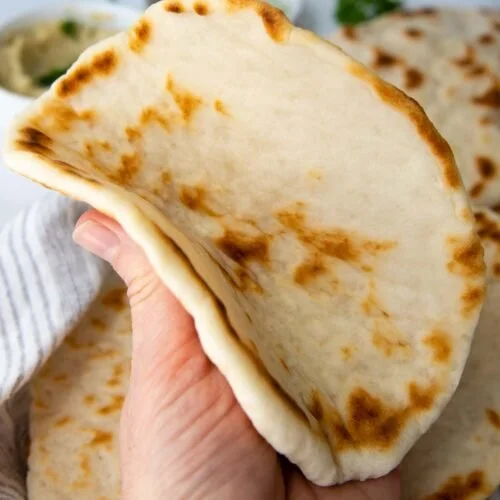
I love flatbreads for their speed and versatility — this gluten-free flat bread is crisp at the edges, tender inside, and comes together in under 30 minutes. I’ve made this version dozens of times, tuning the flour ratios and cooking temperature until it reliably puffs and browns without cracking. Try this easy method if you want a dependable, everyday gluten-free bread for wraps, pizzas, or quick sandwiches. Try a 5-ingredient variant if you’re short on pantry staples.
Why Make This Recipe
- Fast: Ready in about 25–30 minutes from start to finish, great for weeknights or last-minute guests.
- Versatile: Use it for wraps, personal pizzas, or served alongside soups and salads. I often switch toppings to keep dinner interesting. Almond-flour versions are a lovely nutty alternative.
- Gluten-free and adaptable: Works with several gluten-free flours so you can shop to diet needs.
- Budget-friendly: Uses pantry staples like a gluten-free flour blend, baking powder, oil, and water; no yeast needed.
- Personal note: I love this recipe because it gives the satisfaction of fresh bread without the waiting time of yeast dough.
Recipe Overview
- Prep time: 10 minutes
- Cook time: 10–12 minutes (for 6–8 small flatbreads)
- Total time: 20–22 minutes
- Servings: 6 small (6–8-inch) flatbreads or 3 large (10–12-inch) ones
- Difficulty: Easy
- Method: Quick dough mixed by hand, rolled or patted thin, cooked on a hot skillet or griddle over medium-high heat.
My Experience Making This Recipe
I tested this recipe with rice-based and blend-based gluten-free flours and found blends with xanthan gum hold together best. I tweaked water ratios and resting time to reduce tearing and achieve consistent browning. A heavy skillet and the right heat made the biggest difference in texture.
How to Make Gluten Free Flat Bread
You’ll mix about 2 cups (240 g) gluten-free all-purpose flour with 1 tsp baking powder, 1 tsp salt, 1 tbsp olive oil, and 3/4 — 1 cup (180–240 ml) warm water until a soft, slightly tacky dough forms. Let the dough rest 5–10 minutes to hydrate the flours, then divide into 6–8 balls and roll or press each to 1/8–1/4 inch thick. Cook on a preheated heavy skillet or cast-iron pan over medium-high (surface temperature around 375°F / 190°C) for 1.5–3 minutes per side until golden and spotted. For a chewier result, brush with oil and finish briefly in a 450°F (230°C) oven for 3–5 minutes.
Expert Tips for Success
- Use a scale for dry ingredients: 2 cups of most gluten-free blends ≈ 240 g for consistent dough hydration. Learn how flour weight affects texture.
- Preheat a heavy skillet or cast iron for at least 5 minutes; a hot surface gives quick, even browning and prevents sogginess.
- Hydrate the dough: Resting 5–10 minutes lets the flour absorb water, making the dough less likely to crack while rolling.
- Control thickness: Roll thinner (1/8") for crisp flatbreads and thicker (1/4") for pillowy wraps; adjust cook time accordingly.
- If using gluten-free single flours (teff, sorghum), add 1/4 tsp xanthan gum per cup for elasticity or combine flours for better structure. See a fermented option like teff injera for different flavors.
How to Serve Gluten Free Flat Bread
- Quick wraps: Fill with roasted vegetables, hummus, and greens for an easy lunch.
- Mini pizzas: Top with sauce, cheese, and bake at 450°F (230°C) for 6–8 minutes for a personal pizza.
- Dipping board: Cut into wedges and serve with olive oil, za’atar, baba ganoush, or tzatziki for an appetizer.
- Presentation tip: Stack warm flatbreads in a clean towel to keep them soft, and serve arranged in a fan for casual entertaining.
Storage and Reheating Guide
- Short-term: Store cooled flatbreads in an airtight container or zip-top bag in the fridge for up to 4 days.
- Freezing: Layer parchment between flatbreads and freeze in a sealed freezer bag for up to 3 months. Thaw at room temperature or in the fridge overnight.
- Reheating: Reheat on a hot skillet for 30–45 seconds per side, or microwave 15–20 seconds and finish on a hot pan to restore chew and crisp edges. Avoid overheating, which dries them out.
Recipe Variations
- Almond-flour flatbread: Substitute 1:1 with almond flour but add 1 extra egg or 1–2 tbsp psyllium husk for binding. A tested almond version is great for low-carb needs.
- Teff/fermented style: Replace half the flour with teff and add a short 8–12 hour ferment for tangy injera-like flavor; cook thinner for delicate texture. (See teff ideas.)
- Dairy-free & egg-free: Keep the oil and use 1 cup water + 2 tbsp ground flaxseed mixed with 6 tbsp water (let gel) for structure.
- Sweet flatbread: Add 1–2 tbsp sugar and 1/2 tsp cinnamon; serve warm with butter and honey for a breakfast treat. Try inspiration from this sweet loaf idea: apple-cinnamon versions.
Nutritional Highlights
- Gluten-free: Safe for those with celiac disease or gluten intolerance when made with certified gluten-free ingredients.
- Fiber & protein: Using blends with sorghum, millet, or added chia increases fiber and micronutrients.
- Allergens: Check flour blend labels — may contain rice, corn, soy, or nuts (especially almond-flour versions). Adjust for nut allergies and label readers. Aim for 1 flatbread per serving for portion control.
Troubleshooting Common Issues
- Dough too sticky: Add flour 1 tbsp at a time and chill 10 minutes; warm dough tends to be tackier.
- Flatbreads tear when flipping: Let them rest after shaping for 5 minutes, and use a well-heated skillet so the surface skins quickly. A thin metal spatula gives a clean flip.
- Pale, soft results: Increase skillet heat slightly and cook longer per side, or finish briefly under a broiler/450°F oven for color.
Frequently Asked Questions
Q: Can I use a 1:1 gluten-free flour blend for this recipe?
A: Yes. A 1:1 all-purpose gluten-free blend with xanthan or guar gum works best for structure. If your blend lacks a binder, add 1/4–1/2 tsp xanthan gum per cup to prevent crumbling.
Q: How do I make the flatbreads soft enough to fold without breaking?
A: Hydrate the dough fully and rest for 5–10 minutes to let starches absorb water. Roll to 1/8–1/4" thickness and cook on a hot skillet (about 375°F surface). Brushing with a little oil after cooking keeps them pliable.
Q: Can I proof or freeze the dough balls before cooking?
A: Yes — shaped dough balls can be frozen on a tray, then bagged for up to 3 months. Thaw in the fridge overnight and let warm to room temperature 20–30 minutes before rolling and cooking. No yeast is involved, so there’s no active proofing required.
Q: What’s the best skillet to use for even browning?
A: Heavy cast iron or a thick stainless-steel griddle holds steady heat and gives the best browning. Avoid thin nonstick pans that lose heat quickly and produce pale, soft flatbreads.
Conclusion
For extra ideas and a tested recipe variation, see this detailed Gluten Free Flatbread Recipe – My Gluten Free Guide.
Print
Gluten-Free Flatbread
A quick and versatile gluten-free flatbread recipe perfect for wraps, pizzas, or salads.
- Total Time: 20 minutes
- Yield: 6 small flatbreads 1x
Ingredients
- 2 cups (240 g) gluten-free all-purpose flour
- 1 tsp baking powder
- 1 tsp salt
- 1 tbsp olive oil
- 3/4 – 1 cup (180–240 ml) warm water
Instructions
- Mix the gluten-free flour, baking powder, salt, and olive oil in a bowl.
- Add warm water gradually until a soft and slightly tacky dough forms.
- Let the dough rest for 5-10 minutes to hydrate.
- Divide the dough into 6-8 balls and roll or press each to 1/8-1/4 inch thick.
- Preheat a heavy skillet or cast-iron pan over medium-high heat.
- Cook each flatbread for 1.5-3 minutes on each side until golden and spotted.
- If desired, finish in a 450°F (230°C) oven for 3-5 minutes for a chewier texture.
Notes
Use a scale for measuring flour for consistent results. Experiment with different gluten-free flours for variations.
- Prep Time: 10 minutes
- Cook Time: 10 minutes
- Category: Bread
- Method: Stovetop cooking
- Cuisine: Gluten-Free
- Diet: Gluten-Free
Nutrition
- Serving Size: 1 flatbread
- Calories: 150
- Sugar: 0g
- Sodium: 300mg
- Fat: 5g
- Saturated Fat: 1g
- Unsaturated Fat: 4g
- Trans Fat: 0g
- Carbohydrates: 25g
- Fiber: 3g
- Protein: 4g
- Cholesterol: 0mg