
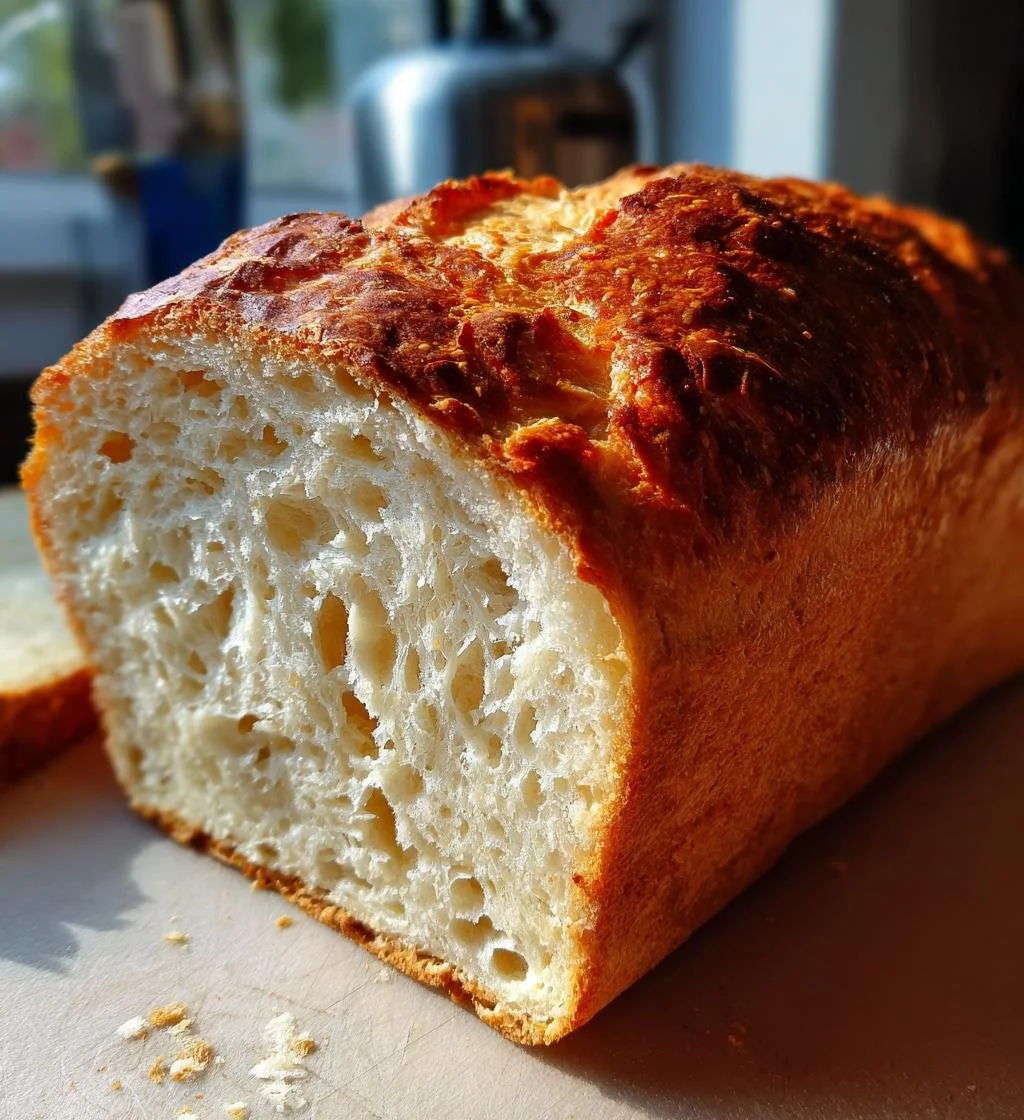
I love a warm, hearty loaf that everyone at the table can enjoy — and this gluten free vegan bread hits that note. It’s soft, slightly chewy, and forgiving for busy home bakers; I’ve made it dozens of times and refined the hydration and proofing to get consistent rise. If you’ve baked gluten‑free before, this loaf rewards a few technique tweaks with great texture and flavor. gluten-free bread rolls
Why Make This Recipe
- Reliable texture: it produces a tender crumb without dense heaviness common in many GF loaves.
- Simple ingredients: pantry staples like a GF flour blend, yeast, psyllium or xanthan, oil, and a little vinegar.
- Versatile: great for sandwiches, toasting, or as a dinner loaf for holiday sides — quick to adapt.
- Allergy friendly: vegan and gluten‑free, suitable for many diets while still delivering real bread satisfaction.
- Personal insight: I love this recipe because the psyllium trick gives structure that makes slicing and toasting much easier than most GF recipes. sweet potato savory loaf
Recipe Overview
Prep time: 20 minutes active, plus 60–90 minutes proofing.
Cook time: 35–45 minutes at 375°F (190°C). Total time: about 2 hours (including rise).
Servings: One 9×5-inch loaf, about 10 slices. Difficulty: Easy–Medium.
Method: Mix, short proof, and bake in a greased 9×5 loaf pan; use an instant‑read thermometer to check doneness. best store-bought gluten-free bread
My Experience Making This Recipe
When I first tested this loaf it was crumbly and flat; I focused on hydration and the binding agent and improved structure dramatically. Adding psyllium husk and adjusting warm water temperature gave repeatable rise and a nice crumb. A few kitchen thermometer checks and a snug loaf pan solved the last flops.
How to Make Gluten Free Vegan Bread: 7 Simple Steps to Delightful Loaf
This bread is a straightforward mix‑and‑bake with one short proof and a single bake. Start by activating yeast in warm water (105–115°F / 40–46°C) with a pinch of sugar, whisk dry ingredients (2 cups GF all‑purpose flour, 1 tsp salt, 1 tsp xanthan or 2 tbsp psyllium husk), then combine with 1⅓ cups warm water, 2 tbsp neutral oil, and 1 tbsp apple cider vinegar. Pour into a greased 9×5 loaf pan, let it rise 45–60 minutes in a warm spot until puffy, then bake at 375°F (190°C) for 35–45 minutes until the crust is golden and internal temperature reaches 200–205°F (93–96°C).
Expert Tips for Success
- Measure by weight when you can: 2 cups GF flour ≈ 260 g for consistent results. Use a kitchen scale for accuracy. devour soft fluffy gluten-free rolls in 8 steps
- Use psyllium husk powder (1–2 tbsp) or xanthan gum (1 tsp per cup GF flour) to mimic gluten’s structure and improve sliceability.
- Water temperature matters: 105–115°F (40–46°C) wakes yeast without killing it; colder water reduces rise, hotter water kills yeast.
- Use an instant‑read thermometer to confirm doneness (200–205°F / 93–96°C) for a reliably baked center.
- Choose a glass or metal 9×5 loaf pan; a lightly greased pan plus a parchment sling helps remove the loaf cleanly and keeps edges from overbrowning.
How to Serve Gluten Free Vegan Bread: 7 Simple Steps to Delightful Loaf
- Toast thick slices and top with mashed avocado, lemon, and chili flakes for breakfast or a quick lunch.
- Use for classic sandwiches — it holds fillings well when sliced thinly after cooling.
- Turn stale slices into croutons or homemade breadcrumbs for soups and coatings.
- Present it at brunch with dairy‑free butter, jam, and a side of roasted tomatoes for a comforting spread. gluten-free banana bread french toast
Storage and Reheating Guide
Cool completely before storing to avoid sogginess; wrap in plastic or keep in an airtight container at room temperature for up to 3 days. For longer life, slice and freeze in a freezer‑safe bag up to 3 months; separate slices with parchment for easy removal. Reheat frozen slices directly in a toaster or bake whole frozen loaf at 350°F (175°C) for 20–30 minutes wrapped in foil until warmed through. For best texture, refresh older bread in a 350°F oven for 8–10 minutes to crisp the crust.
Recipe Variations
- Seeded/whole grain: replace ¼ cup GF flour with ground flaxseed or oat flour and sprinkle mixed seeds on top for texture.
- Herb & garlic: fold 1–2 tsp dried herbs and 1 minced garlic clove into the dough for savory sandwiches.
- Sweet breakfast loaf: add 2 tbsp maple syrup and ½ tsp cinnamon; omit vinegar for a milder tang.
- Grain‑free option: use a tested almond‑cassava blend and increase psyllium to maintain bind (this changes hydration and bake times, so test small loaves first).
Nutritional Highlights
- Lower in saturated fat when made with neutral oil and no dairy; suitable for plant‑based diets.
- Good source of fiber if you include psyllium or flaxseed; helps with satiety.
- Allergen info: gluten‑free and dairy‑free, but contains corn or soy if your GF flour blend does — check labels and note if seeds or nuts are added.
Troubleshooting Common Issues
- Dense or gummy crumb: likely underbaked or too much moisture; check internal temp and reduce water slightly (by 1–2 tbsp).
- No rise: yeast may be dead or water too hot/cold; proof yeast in warm water with sugar for 5–10 minutes to confirm activity.
- Crumb falls or sinks: overproofing or oven temp too low; aim for a slightly puffy rise and preheat oven fully to 375°F (190°C).
Frequently Asked Questions
Q: Can I substitute xanthan gum for psyllium husk?
A: Yes — use about 1 tsp xanthan per cup of GF flour instead of psyllium. Xanthan gives elasticity but less fiber; psyllium creates a moister, more elastic crumb. Adjust hydration slightly if swapping.
Q: Do I need to proof the dough twice like traditional bread?
A: No — this recipe uses one short proof. Gluten‑free dough lacks the strong gluten network, so extended handling and multiple rises don’t improve structure and can dry it out.
Q: Can I make this in a bread machine?
A: You can, but use a gluten‑free cycle if available and add ingredients in the machine’s recommended order. Expect slightly different texture and watch mix times to avoid overmixing.
Q: How do I get a crisp crust on gluten‑free bread?
A: Bake at the recipe temperature uncovered until golden, and for a crisper crust finish with 3–5 minutes under the broiler (watch carefully). Let cool on a rack to firm up the crust.
Conclusion
If you’re curious about other single‑ingredient or alternate‑grain approaches to gluten‑free loaves, check this helpful buckwheat bread resource for inspiration: How to Make Delicious Buckwheat Bread (With Just 1 Ingredient …) (https://www.forksoverknives.com/recipes/vegan-baked-stuffed/buckwheat-bread-recipe-1-ingredient/)
Print
Gluten Free Vegan Bread
A warm, hearty gluten-free vegan bread that’s soft, slightly chewy, and perfect for any table.
- Total Time: 120 minutes
- Yield: 10 slices 1x
Ingredients
- 2 cups gluten-free all-purpose flour
- 1 tsp salt
- 1 tsp xanthan gum or 2 tbsp psyllium husk
- 1⅓ cups warm water (105–115°F / 40–46°C)
- 2 tbsp neutral oil
- 1 tbsp apple cider vinegar
- Pinch of sugar (for yeast activation)
Instructions
- Activate the yeast by combining warm water with a pinch of sugar in a bowl.
- In a separate bowl, whisk together the dry ingredients: gluten-free flour, salt, and xanthan gum or psyllium husk.
- Combine the dry ingredients with the activated yeast mixture, oil, and apple cider vinegar.
- Pour the mixture into a greased 9×5 loaf pan.
- Let it rise in a warm spot for 45–60 minutes, until puffy.
- Bake in a preheated oven at 375°F (190°C) for 35–45 minutes until golden brown.
- Check the internal temperature (200–205°F / 93–96°C) to ensure doneness.
Notes
This bread is great for sandwiches, toasting, or as a dinner accompaniment. For best results, measure ingredients by weight when possible.
- Prep Time: 20 minutes
- Cook Time: 40 minutes
- Category: Bread
- Method: Baking
- Cuisine: Vegan
- Diet: Gluten-Free, Vegan
Nutrition
- Serving Size: 1 slice
- Calories: 150
- Sugar: 1g
- Sodium: 300mg
- Fat: 5g
- Saturated Fat: 0.5g
- Unsaturated Fat: 4g
- Trans Fat: 0g
- Carbohydrates: 28g
- Fiber: 3g
- Protein: 4g
- Cholesterol: 0mg