
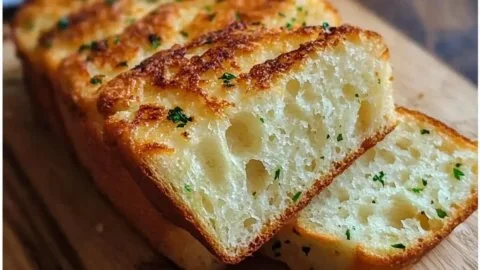
Soft, fluffy gluten-free potato bread is comfort baking at its best — a moist, tender loaf that stays soft for days and works fabulously for toast, sandwiches, or warm buttered slices. I’ve tested this loaf several times, tweaking hydration and mix of flours until the crumb stayed light without collapsing. If you love a bread that’s forgiving, flavorful, and reliably soft, this one will become a daily favorite — see a roundup of the best gluten-free sandwich bread for related ideas.
Why Make This Recipe
- Flavor and texture: Potato adds natural moisture and a tender crumb you won’t get from starch-only mixes.
- Keeps fresh: The potato and fats help the loaf remain soft for 3–4 days at room temperature.
- Versatility: Use it for sandwiches, grilled cheese, or thick toast — it performs well with both sweet and savory toppings.
- Easy technique: No intense kneading; the dough benefits from gentle handling — a beginner-friendly method.
- Personal note: I love this recipe because the potato lets me reduce xanthan gum and still get a springy, pleasant texture — similar to successful soft, fluffy rolls I’ve made before.
Recipe Overview
- Prep time: 25 minutes (plus 1–1.5 hours rising)
- Cook time: 30–40 minutes at 350°F (175°C)
- Total time: ~2 hours (includes rising)
- Servings: 10–12 thick slices per 9×5-inch loaf
- Difficulty: Easy
- Method: Mix cooked mashed potato with a blend of gluten-free flours and starches, hydrate with warm liquid, brief proof, then bake until the internal temperature reaches 200°F (93°C).
My Experience Making This Recipe
I tested this loaf across several flour ratios and hydration levels to prevent a gummy center while keeping the crumb soft. The biggest discovery was that using warm liquid (about 105–110°F) and a 45–60 minute rise gives the best oven spring for gluten-free yeast breads. I also learned that a steam tent during the first 10–12 minutes helps the crust remain thin and tender.
How to Make Soft and Fluffy Gluten Free Potato Bread You’ll Crave Daily
Start by boiling or steaming one medium potato (about 8 oz / 225 g), mash smooth and cool slightly. Whisk yeast into warm milk or water (about 105–110°F) with a pinch of sugar, then combine mashed potato, 2 cups gluten-free flour blend, 1 cup potato starch, 2 tsp xanthan gum (or 1.5 tsp psyllium husk), 1 tsp salt, 2 tbsp oil or melted butter, 2 large eggs, and the proofed yeast; mix until just combined. Transfer to a greased 9×5-inch pan, let rise in a warm spot until puffy (about 45–60 minutes), then bake at 350°F (175°C) for 30–40 minutes until a thermometer reads 200°F (93°C).
Expert Tips for Success
- Measure flours by weight when possible: aim for ~280g total dry blend to avoid a dense dough. See alternative loaf approaches in this gluten-free bread rolls guide.
- Use an instant-read thermometer to check doneness—200°F (93°C) internal is reliable for a fully baked, not gummy crumb.
- Add steam: place a small pan of hot water on the oven floor or mist the loaf in the first 10 minutes to promote oven spring and a delicate crust.
- Prefer psyllium over xanthan for a lighter crumb: swap 1.5 tsp psyllium powder for 2 tsp xanthan to improve elasticity and sliceability.
- Chill overnight if slicing thin: cooling completely (and ideally chilling 2–4 hours) firms the crumb and makes neater slices.
How to Serve Soft and Fluffy Gluten Free Potato Bread You’ll Crave Daily
Serve thick-cut and toasted with soft butter and a sprinkle of flaky sea salt for breakfast or tea. Make hearty sandwiches — this bread supports wet fillings like tuna salad or egg salad without falling apart. For a dinner side, warm slices and rub with garlic and olive oil to make quick garlic bread.
Storage and Reheating Guide
Store whole loaf at room temperature in an airtight container or wrapped in plastic for up to 3 days; refrigerating dries it out faster. For longer storage, slice, wrap tightly in plastic, then foil, and freeze up to 3 months; thaw at room temperature or in the fridge. Reheat by toasting slices directly, or warm a whole slice in a 350°F (175°C) oven for 8–12 minutes; for best texture, refresh frozen slices in a toaster or oven preheated to 350°F for 4–6 minutes. For more dairy-free and storage tips, check this gluten-free dairy-free sandwich bread guide.
Recipe Variations
- Dairy-free: Use non-dairy milk (almond, oat) and 2 tbsp olive oil instead of butter; the potato keeps the loaf tender.
- Whole-egg-free / vegan option: Replace eggs with 3 tbsp aquafaba and an extra 1 tbsp oil; expect a slightly different crumb but good structure.
- Seeded or herbed: Fold in 2 tbsp mixed seeds or 1 tbsp chopped fresh rosemary for flavor and texture.
- Sweet variation: Add 2 tbsp honey and 1 tsp cinnamon for a subtly sweet breakfast loaf; reduce other sugars accordingly.
Nutritional Highlights
- Potatoes add potassium and natural moisture without adding gluten.
- Gluten-free doesn’t mean low-carb — this loaf is still carbohydrate-rich; portion accordingly (1–2 slices per serving).
- Allergen info: The base recipe typically contains eggs and possibly dairy; adapt with aquafaba and plant milk for egg- and dairy-free needs.
Troubleshooting Common Issues
- Dense, heavy loaf: Likely under-proofed or too much flour. Solution: proof until visibly puffy and weigh flour; increase hydration slightly (by 1–2 tbsp).
- Gummy center: Oven not hot enough or underbaked. Solution: bake until 200°F (93°C) internal temperature and test with an instant-read thermometer.
- Dry crumb: Too little fat or potato. Solution: add 1–2 tbsp extra oil or 2–3 tbsp additional mashed potato next batch.
Frequently Asked Questions
Q: Can I use instant mashed potato flakes instead of fresh potatoes?
A: Yes — rehydrate flakes with hot water to a similar consistency (about 1 cup mashed from 3 tbsp flakes), but fresh cooked potato typically yields better flavor and moisture control.
Q: Do I need xanthan gum or psyllium for structure?
A: Some potato bread recipes can rely on psyllium for a more elastic texture; using 1.5 tsp psyllium or 2 tsp xanthan gives the best balance for slicing and holding sandwich fillings.
Q: How do I know if the bread is baked through without a thermometer?
A: Tap the bottom of the loaf — a hollow sound indicates doneness. For safety and accuracy, though, an instant-read thermometer set to 200°F (93°C) is best.
Q: Can I make this in a bread machine?
A: Yes, use the gluten-free cycle if available; add ingredients in the order recommended by your machine and keep an eye on hydration — you may need to pause to scrape down the pan during mixing.
Conclusion
If you enjoy this potato-enriched loaf, you might also like an adapted dairy-free bun version for burgers — try this Soft, Fluffy Gluten-Free Burger Buns (Dairy-Free) – Dish by Dish for more ideas and techniques.
Print
Soft and Fluffy Gluten-Free Potato Bread
A moist and tender gluten-free potato bread that stays soft for days, perfect for toast or sandwiches.
- Total Time: 120 minutes
- Yield: 10–12 thick slices 1x
Ingredients
- 1 medium potato (about 8 oz / 225 g)
- 1 cup warm milk or water (about 105–110°F)
- 2 cups gluten-free flour blend
- 1 cup potato starch
- 2 tsp xanthan gum (or 1.5 tsp psyllium husk)
- 1 tsp salt
- 2 tbsp oil or melted butter
- 2 large eggs
- 1 tsp sugar
- 1 packet (2 1/4 tsp) active dry yeast
Instructions
- Boil or steam the potato until soft, then mash smooth and cool slightly.
- Whisk yeast into warm milk or water with a pinch of sugar and let it sit until frothy.
- Combine the mashed potato, gluten-free flour blend, potato starch, xanthan gum, salt, oil or butter, eggs, and the proofed yeast.
- Mix until just combined and transfer to a greased 9×5-inch pan.
- Let rise in a warm spot until puffy (about 45–60 minutes).
- Bake at 350°F (175°C) for 30–40 minutes until the internal temperature reaches 200°F (93°C).
Notes
For a lighter crumb, consider using psyllium husk instead of xanthan gum. Store the bread at room temperature in an airtight container for up to 3 days.
- Prep Time: 25 minutes
- Cook Time: 30 minutes
- Category: Bread
- Method: Baking
- Cuisine: Gluten-Free
- Diet: Vegetarian
Nutrition
- Serving Size: 1 slice
- Calories: 180
- Sugar: 1g
- Sodium: 200mg
- Fat: 7g
- Saturated Fat: 1g
- Unsaturated Fat: 6g
- Trans Fat: 0g
- Carbohydrates: 32g
- Fiber: 2g
- Protein: 4g
- Cholesterol: 50mg