
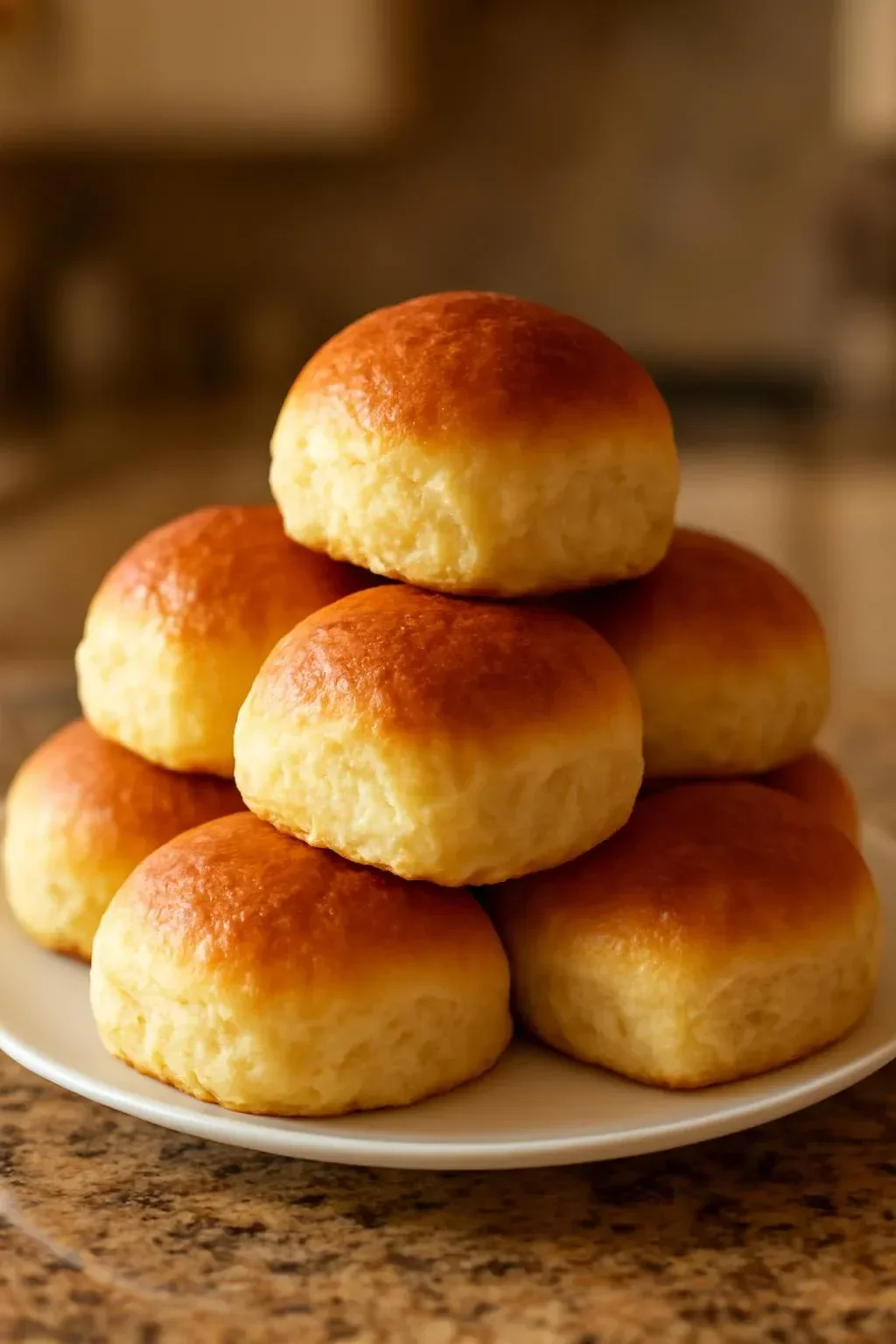
Gluten-free bread rolls can be soft, flavorful, and surprisingly easy once you learn a few reliable techniques. I’ve baked dozens of batches, tweaking hydration and proofing times until the crumb and crust were consistently good. My hands-on experience taught me how small tweaks make a big difference in texture and rise.
Why Make This Recipe
- Soft, tender crumb that holds up to sandwiches and soups without collapsing.
- Quick to shape and bake — great for weeknight dinners or last-minute guests.
- Versatile: you can flavor them with herbs, cheese, or seeds for different occasions.
- Lower gluten-related reactions for people with celiac disease or gluten sensitivity when made with certified GF ingredients.
- Personal insight: I love these rolls because they warm up the kitchen and reliably please both GF and non-GF eaters at the table.
Recipe Overview
Prep time: 20–30 minutes active; plus 60–90 minutes total proofing time.
Cook time: 18–25 minutes at 375°F (190°C) for small rolls; increase to 20–28 minutes at 400°F (205°C) for a slightly darker crust.
Total time: ~1 hour 40 minutes including rises.
Servings: Makes 12 standard dinner rolls.
Difficulty: Easy–Medium — basic yeast technique with attention to hydration and proofing.
Cooking method: Yeasted oven baking with a two-rise method and optional egg wash or butter finish. For tips on how different ovens affect baking results, see this short guide on baking in different ovens.
My Experience Making This Recipe
The first few attempts were gummy in the center until I increased hydration and used a reliable xanthan gum–containing blend. I also learned that a warm, draft-free proof and a steam-rich oven gave the best oven spring. Small changes in mixing and proofing produced large improvements in texture.
How to Make Gluten Free Bread Rolls
You’ll mix a gluten-free flour blend with warm liquid, yeast, salt, a binder (like xanthan gum if your blend lacks it), and a bit of fat for tenderness. The process relies on high hydration, gentle mixing (to distribute ingredients), a first rise until puffed, shaping into rolls, a second shorter rise, and a hot bake with optional steam for crust development.
Expert Tips for Success
- Measure flour by weight when possible — aim for about 400–500 g of GF blend for 12 rolls and adjust liquid by feel. Accurate weighing prevents dense, dry rolls.
- Use warm water (100–110°F / 38–43°C) to wake the yeast but not kill it; if your kitchen is cool, proof the dough in the oven with the light on. This promotes consistent rise.
- Add 1–1½ teaspoons of xanthan gum per 500 g flour when your blend doesn’t already contain it; it improves structure and crumb retention.
- Create steam for the first 8–10 minutes by placing a pan of hot water in the oven or spritzing the oven walls—this improves crust color without drying the interior.
- Use a stand mixer with a paddle attachment or a strong whisk; hand-mixing can work but expect a stickier dough and more elbow grease when shaping.
How to Serve Gluten Free Bread Rolls
Serve warm with salted butter and flaky sea salt for maximum appeal, or split and fill with roasted turkey and cranberry for sandwiches. They pair well with soups and stews, ideal for fall or holiday meals. For a brunch twist, toast and top with soft cheese and honey.
Storage and Reheating Guide
Store cooled rolls at room temperature in an airtight container or resealable bag for up to 2 days to preserve softness. For longer storage, freeze in a single layer on a tray until solid, then transfer to a freezer bag for up to 3 months.
Reheat from frozen by wrapping in foil and warming at 325°F (165°C) for 12–15 minutes, or split and microwave for 20–30 seconds then toast briefly to refresh the crust.
Recipe Variations
- Dairy-free: swap butter for coconut oil or a neutral olive oil and use nondairy milk with a tablespoon vinegar for a buttermilk effect.
- Herb & garlic rolls: fold in 2 tablespoons chopped fresh herbs and 1 teaspoon garlic powder into the dough before shaping.
- Seeded rolls: brush tops with egg wash or milk alternative and press a mix of sesame, poppy, and sunflower seeds before baking.
- Sweet rolls: add 2–3 tablespoons sugar, fold in cinnamon and sugar before shaping, and finish with a light glaze for a breakfast version.
Nutritional Highlights
These rolls can be lower in gluten-related triggers when made with certified gluten-free ingredients and are a good source of quick carbohydrates for energy. Watch for added fats or cheeses if calories are a concern, and adjust portion size—one roll is typically 90–180 calories depending on size and ingredients. Allergen note: cross-contamination is possible; use certified GF flours and clean equipment if avoiding gluten.
Troubleshooting Common Issues
If your rolls are gummy in the middle, increase oven temperature slightly and ensure adequate initial steam; also confirm you used enough binder like xanthan gum. If dough doesn’t rise, check yeast freshness and water temperature — water hotter than 120°F (49°C) can kill yeast.
If the tops crack or are overly dry, reduce baking time by a few minutes or brush with melted butter immediately after baking to soften the crust.
Frequently Asked Questions
Q: Can I make these rolls without xanthan gum?
A: Yes, but expect a looser crumb and more fragile structure. You can replace xanthan gum with 1:1 psyllium husk powder as a binder—use slightly less psyllium (about 1 tablespoon per 500 g flour) and hydrate it well for a better crumb.
Q: How do I know when the rolls are fully baked?
A: Use an instant-read thermometer—finished rolls register about 200–205°F (93–96°C) in the center. Also look for a deep golden color and a hollow sound when tapped on the bottom.
Q: Can I make the dough ahead and bake the next day?
A: Yes—after the first rise, refrigerate the dough for up to 24 hours. Bring it back to room temperature, reshape if necessary, then allow a second short rise before baking.
Q: Are gluten-free rolls suitable for sandwich making?
A: Absolutely. For sturdier sandwiches, bake slightly larger rolls and allow full cooling before slicing to prevent tearing. Pressing the cut surface lightly in a toaster can also help hold fillings without falling apart.
Conclusion
If you want a tested dinner-roll approach that’s friendly to gluten-free diets, this recipe is a reliable place to start. For another yeast-based GF roll method, check out this detailed guide on Gluten-Free Yeast Dinner Rolls – The Savory Celiac. For broader bread techniques and a simple artisan-style workflow, I often reference ideas from Artisan Bread in Five Minutes a Day. Need inspiration for different dinner-roll shapes and formulas? This roundup of Dinner roll recipes | King Arthur Baking is helpful. If you’re turning these into a sweet breakfast, see The Softest Gluten Free Cinnamon Rolls – The Loopy Whisk for ideas on enrichment and glazing. And when you want to use surplus zucchini in savory rolls or add veggies, this post on 8 delicious things to do with zucchini | King Arthur Baking gives creative mix-in ideas.
Print
Gluten-Free Bread Rolls
These gluten-free bread rolls are soft and flavorful, perfect for sandwiches and soups, and easy to prepare using a few reliable techniques.
- Total Time: 90 minutes
- Yield: 12 servings 1x
Ingredients
- 400–500g gluten-free flour blend
- 1 tablespoon instant yeast
- 1 teaspoon salt
- 1–1½ teaspoons xanthan gum (if not already in the blend)
- 300ml warm water (100-110°F / 38-43°C)
- 2 tablespoons neutral oil or melted butter
Instructions
- Mix the gluten-free flour blend with the warm water, instant yeast, salt, xanthan gum, and oil until well combined.
- Allow the mixture to rise in a warm, draft-free location until puffed, about 60-90 minutes.
- Preheat your oven to 375°F (190°C) or 400°F (205°C) for a darker crust.
- Shape the risen dough into rolls and place them on a baking sheet. Allow them to rise again for a shorter period.
- Bake the rolls in the preheated oven for 18-25 minutes, or until golden brown.
- Let cool slightly before serving warm with butter or your favorite fillings.
Notes
For variations, you can add herbs, seeds, or make them sweet with cinnamon and sugar. Serve them warm for the best experience.
- Prep Time: 30 minutes
- Cook Time: 25 minutes
- Category: Bread
- Method: Baking
- Cuisine: Gluten-Free
- Diet: Gluten-Free, Vegetarian
Nutrition
- Serving Size: 1 roll
- Calories: 150
- Sugar: 1g
- Sodium: 200mg
- Fat: 5g
- Saturated Fat: 1g
- Unsaturated Fat: 4g
- Trans Fat: 0g
- Carbohydrates: 25g
- Fiber: 2g
- Protein: 3g
- Cholesterol: 0mg