

Pink Salt vs Regular Salt: Which is Better for Weight Loss? Let’s talk about it like two friends trying to figure out what actually helps when we’re making dinner and aiming for a lighter plate. I’ve tested both salts in my everyday cooking, from roasted veggies to simple salads, and I’ve got thoughts. If you’re curious about a super simple way I season meals when I’m focused on slimming down, check out this little trick I like to use, the Himalayan pink salt trick for weight loss. Spoiler: salt can help food taste better so you feel satisfied with fewer calories. Here’s what I’ve learned in the kitchen and from reading up on the real science behind the buzz.
Pink Salt vs Regular Salt
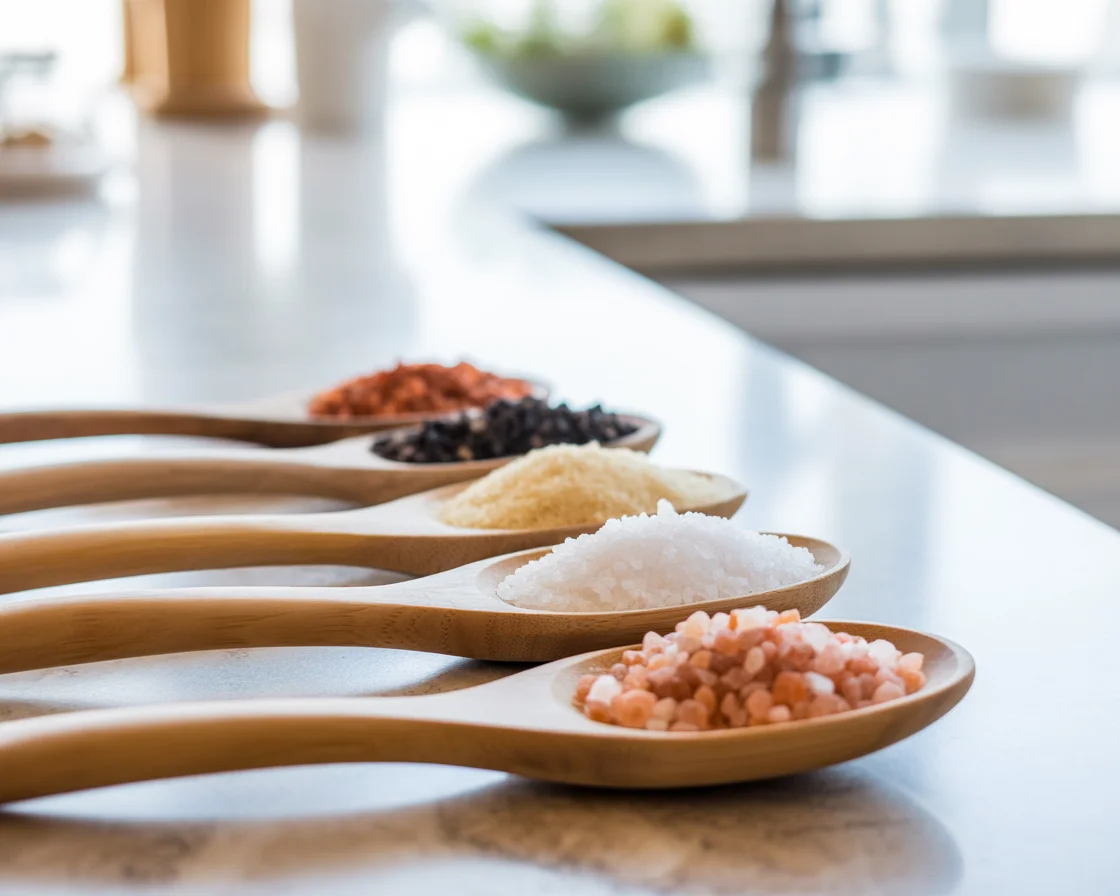
Let me set the table with something simple. Salt is salt when it comes to sodium. That’s the part that affects your blood pressure, hydration, and how puffy you feel after a takeout night. Pink salt and regular table salt both deliver sodium. Pink salt brings trace minerals and a softer, more mineral flavor, while regular salt is refined, pure, and often iodized. So if you’re thinking about Pink Salt vs Regular Salt: Which is Better for Weight Loss?, here’s the honest answer: neither salt directly burns fat. Weight loss comes from eating fewer calories than you use, not from switching salts.
So why does everyone care what kind of salt they sprinkle? For me, it’s about flavor control. Pink salt tends to have bigger crystals and a mellow, earthy taste that makes simple dishes pop. Regular salt dissolves quickly and seasons evenly. If you’re focusing on weight loss, a tiny pinch of a salt you love can make basic ingredients feel exciting. That’s the trick. When food tastes better, you don’t need heavy sauces or extra butter to feel happy with your meal.
My favorite everyday bowl when I’m being mindful: roasted broccoli and carrots, a squeeze of lemon, a drizzle of olive oil, and a small pinch of pink salt. The lemon boosts brightness, the vegetables caramelize, and the salt pulls everything together. I eat slower, feel satisfied, and don’t go hunting for snacks afterward. It’s not magic, but it’s effective.
Quick note for the label readers: regular table salt is usually iodized, which matters for thyroid health. Pink salt usually is not. If you switch fully to pink salt, make sure you still get iodine from seafood, dairy, eggs, or an iodized salt used occasionally for cooking. For anyone chasing weight loss, that small detail matters because a happy thyroid helps energy and mood.
Bottom line: for taste and texture, use the one that makes your food sing with the smallest pinch. For weight loss, portion size and food choices still do the heavy lifting, not the color of your salt.
What Is Himalayan Salt?
Where it comes from
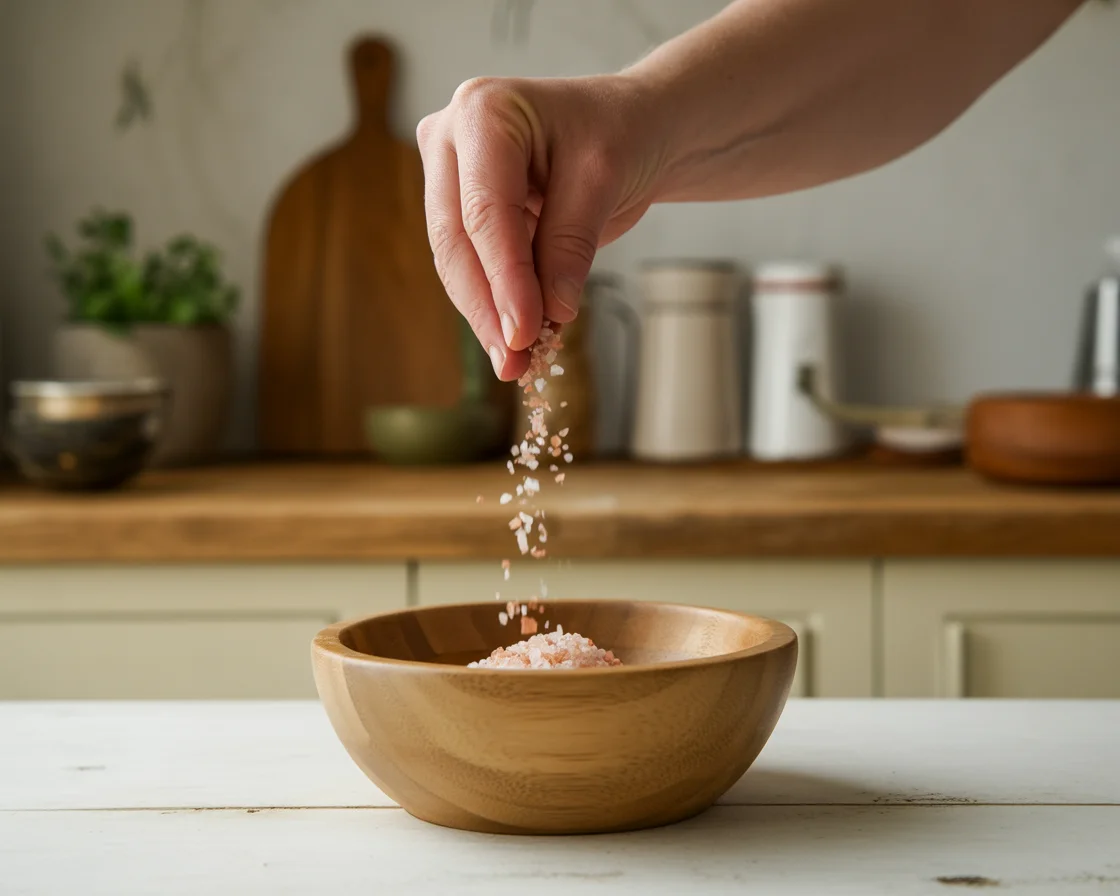
Himalayan pink salt comes from ancient sea beds in the foothills of the Himalayas. It’s mined, not harvested from modern oceans, which is why some folks find it appealing. The mineral content can slightly vary by region, and that gives it those gentle peachy-pink shades.
What gives the pink color
The pretty color comes from trace minerals like iron. We’re talking tiny amounts, not enough to cover your daily needs, but enough to add a faint mineral note that tastes different from plain table salt. Some people say it makes veggies taste more rounded and less sharp. I agree most of the time, especially when I use it on roasted potatoes or seared mushrooms.
Curious how to actually use it in recipes without overdoing it? I put together and often refer people to this friendly Himalayan pink salt recipes guide that shows ways to season simply while still getting flavor. It’s all about small pinches, smart acids like lemon or vinegar, and lots of herbs.
Why Does the Body Need Salt?
Simple science behind sodium
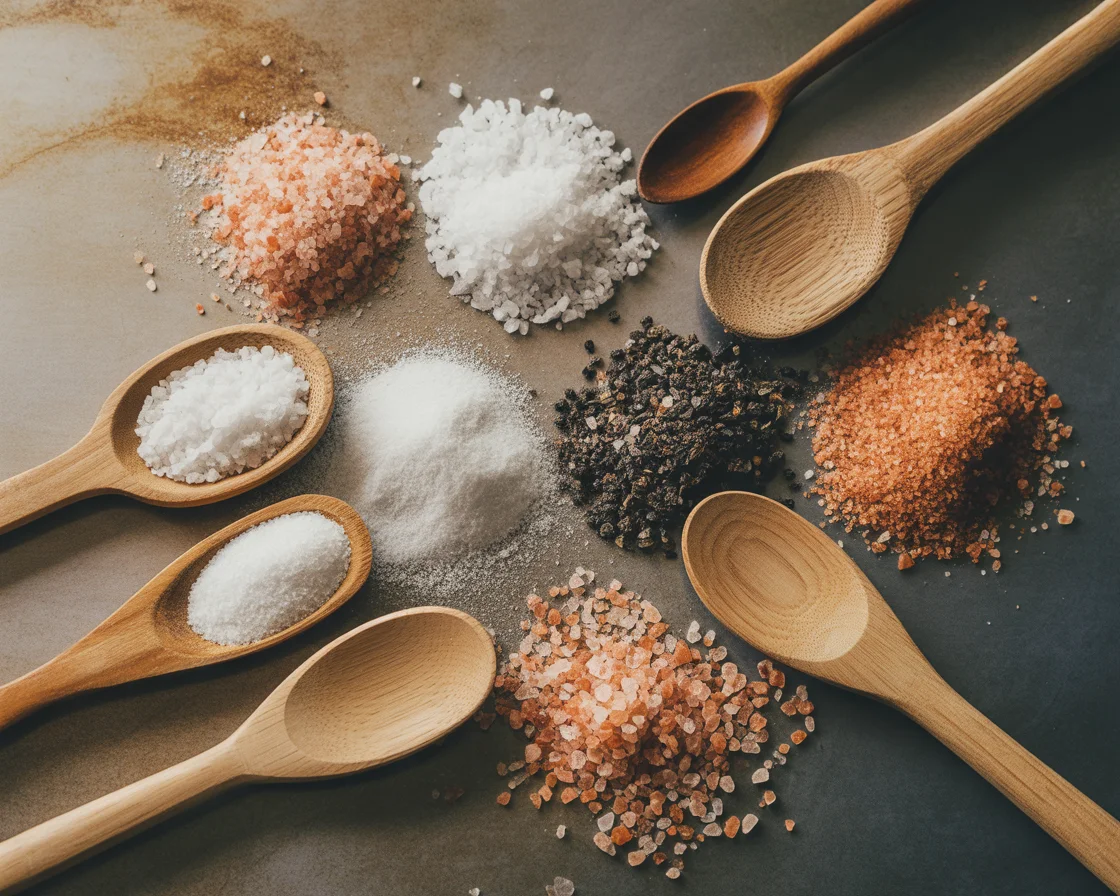
Your body needs salt for fluid balance, nerve signals, and muscle contractions. If you’ve ever had a salty snack after sweating and felt human again, that’s sodium at work. But it’s easy to overdo it. Most adults get more sodium than they need, which can pull extra water into the body and leave you feeling bloated or thirsty. That can be confusing when you’re trying to lose weight because water retention can mask fat loss on the scale.
Sodium is not the villain. It’s just powerful. To keep things balanced, I season food at the end of cooking, taste first, then add a tiny pinch. I also lean on flavor friends like lemon juice, pepper, garlic, fresh herbs, and a splash of vinegar. These boost taste without more sodium. Whether you use pink or regular, most people do best keeping sodium closer to the lower end of their personal healthy range. If you have blood pressure or kidney concerns, talk with your doctor about specific targets.
Iodine is another piece of the puzzle. Regular table salt is usually iodized to help with thyroid function. Pink salt is typically not. You can still enjoy pink salt, just make sure you’re getting iodine from foods or keep a small shaker of iodized salt in your pantry for certain dishes. Balance beats perfection every time.
Himalayan Salt Benefits
Let’s be real: the internet gets dramatic about pink salt. I like it, but not because I expect it to fix anything overnight. I like it because it helps my simple food taste satisfying. Here are benefits that hold up in a real kitchen:
- Gentle flavor and crunchy flakes that make finishing a dish feel special with a tiny pinch.
- Trace minerals add subtle taste differences. They are tiny in amount, but the flavor impact can be real.
- Texture control with coarse crystals that are great on roasted vegetables or grilled meats.
- Mindful seasoning because larger crystals make you sprinkle less. You see it and stop sooner.
- Better satisfaction from simple meals, which can help you stick to a calorie deficit without feeling deprived.
On lazy weekends, I’ll bake a crusty loaf and finish the warm slices with a whisper of pink salt and olive oil. It’s simple and ridiculously good. If that sounds like your vibe, here’s my favorite bake day project, a pink salt sourdough recipe, where that final sprinkle makes every crumb shine.
“Switching to a tiny finishing sprinkle of pink salt made my roasted veggies feel gourmet. I ended up eating more vegetables and less heavy sauce. It sounds small, but it changed my weeknight dinners.”
Himalayan Pink Salt Side Effects
Pink salt is still salt. Use it wisely, especially if you have blood pressure, kidney, or heart concerns. Here are things to keep on your radar:
- Too much sodium can raise blood pressure in many people, no matter the color of the salt.
- Possible iodine gap if you ditch iodized salt completely. Make sure to get iodine from other foods.
- Water retention and that puffy feeling after salty meals. That’s not fat. It’s temporary water weight.
- Kidney strain in people with kidney issues if sodium intake is consistently high.
If you’re trying to look leaner by the weekend, what works best for me is simple: cook at home more often, use a small pinch of salt right before serving, and lean on lemon, herbs, and pepper to do the heavy lifting. That way I keep flavor strong without piling on sodium.
Are the Health Claims True?
This is where the internet takes a sharp turn into wild territory. I’ve seen claims that pink salt detoxes the body, changes your pH, and cures everything. That’s not how salt works. Pink salt has trace minerals and a lovely flavor, but detoxing is what your liver and kidneys do. Changing your body’s pH with salt is not a thing. And if you’re asking again, Pink Salt vs Regular Salt: Which is Better for Weight Loss?, the science says weight loss comes from your overall eating pattern, not the color of your salt shaker.
Here’s what actually helps when I want the scale to move while keeping food delicious:
How I season for flavor without excess salt
First, I roast or grill to build deep flavor. Then I add a squeeze of lemon or a splash of vinegar. Finally, a small pinch of pink salt as a finisher. That last pinch hits your tongue first, so you taste a lot of flavor with less total sodium. If I’m making a salad, I do a bright dressing with olive oil, lemon, a little honey, Dijon mustard, and a tiny pinch of salt. Tossed well, it coats every bite and I don’t need to add extra. I save heavy sauces for weekends and lean on herbs like parsley, dill, and basil during the week.
One more thought: the week before a big event, I cut back on restaurant meals and cook simple at home. My face and fingers look less puffy because I control the salt. That’s not fat loss, but it helps me feel good fast. If I need recipe inspiration that leans lighter, I’ll skim my notes and pair lean protein, colorful vegetables, and a strategic sprinkle of salt. If you want a sweet little treat you can still feel good about, I love baking small-batch cookies and finishing with a light pink salt sprinkle. I sometimes use this happy guide for ideas and technique, and it never fails me.
Common Questions
A: Not directly. It might help you enjoy simpler, lower calorie meals, which supports weight loss. But it doesn’t burn fat on its own.
A: By weight, they’re similar. Large crystals can make you use a little less by volume, but sodium is still sodium.
A: Probably yes, unless you get iodine from other foods like seafood, dairy, and eggs. Consider keeping a small container of iodized salt for certain dishes.
A: Totally personal. Pink salt tastes slightly mineral and feels fancy as a finishing touch. Table salt is clean, direct, and consistent.
A: Build flavor with roasting, then finish with acid and a tiny pinch of salt. You’ll get that satisfying savory hit with less sodium overall.
My Bottom Line on Pink Salt and Weight Goals
Here’s where I land: Pink Salt vs Regular Salt: Which is Better for Weight Loss? Neither is a magic button. Use the salt you enjoy as a small finisher, build flavor with roasting and acid, and focus on meals that keep you full. If you want to read more about the health side of things, I like how WebMD’s overview and this Healthline explainer break down benefits and risks clearly. And if you need a nudge to get started tonight, make a tray of roasted veggies, finish with a little pink salt, and taste how much flavor you get for so few calories.