
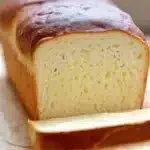
Soft, pillowy Japanese milk bread adapted to be gluten free is a total game-changer for home bakers who miss classic sandwich loaves. I’ve baked this version multiple times and love how the tangzhong (water-roux) trick creates that melt-in-your-mouth crumb without gluten. For notes on choosing flours and milks that work best, check this guide to best flours and milks.
Why Make This Recipe
- Exceptionally soft crumb and long-lasting freshness thanks to the tangzhong technique.
- Familiar sandwich-bread texture for lunches and toast that holds up without gluten.
- Simple pantry-friendly ingredients; you can make it with common gluten-free blends and a few swaps.
- Versatile for breakfast, sandwiches, or sweet toast—works for everyday meals and special occasions.
- Personal insight: I love this loaf because it recreates the nostalgic Hokkaido milk-bread softness while staying fully gluten free.
Recipe Overview
- Prep time: 30 minutes active, plus 1–2 hours total for proofing
- Cook time: 30–35 minutes at 350°F (175°C)
- Total time: ~2 hours (depending on proofing)
- Servings: 10–12 slices from an 8.5 x 4.5-inch loaf pan
- Difficulty: Medium (requires tangzhong, gentle kneading, and timed proofs)
- Method: Make a tangzhong, mix dough in a stand mixer, short bulk rise, shape into rolls, final proof, then bake at 350°F. For tips on artisan techniques that translate to gluten-free bakes, see this artisan gluten-free bread guide.
My Experience Making This Recipe
On my third test bake I dialed the hydration up slightly and swapped part of the starch with a higher-protein blend, which gave a taller, less gummy loaf. I learned that a warm proof (about 75–80°F) and a properly cooked tangzhong are the keys to lift and softness.
How to Make Gluten Free Japanese Milk Bread
You’ll start by cooking a tangzhong (1 part flour to 5 parts liquid by weight) and cooling it. Mix the tangzhong with your flour blend, yeast, milk, egg, sugar, salt, butter, and xanthan (or psyllium), then knead until cohesive — usually 6–8 minutes in a stand mixer at low-medium speed. Give a short bulk rise until slightly puffy (about 45–60 minutes), divide into three or four pieces, roll into cylinders, place into a greased loaf pan, final proof until nearly doubled, then brush with an egg wash and bake at 350°F for 30–35 minutes until internal temp reaches about 195–200°F.
Expert Tips for Success
- Make a true tangzhong: whisk 20 g rice or tapioca starch with 100 g water + 100 g milk and cook until it thickens to a paste at 65–70°C (149–158°F). This traps moisture and improves crumb.
- Use a scale for accuracy: weigh flour and liquids (grams) rather than relying on cups to avoid inconsistent hydration.
- Choose the right binder: 1 tsp xanthan gum per 250 g flour blend works well; for a cleaner label, try 6–8 g psyllium husk powder instead.
- Proof in a warm, draft-free spot (75–80°F). A proofing box or a slightly warm oven with the light on helps reliable rise — read more about baking in different ovens here: different ovens.
- Check doneness by temperature: gluten-free doughs can look done before the center sets — aim for 195–200°F internal temp for a stable, not gummy crumb.
How to Serve Gluten Free Japanese Milk Bread
- Classic sandwich: thick slices, butter, avocado, or your favorite deli fillings for a soft, structured sandwich. See tips for great sandwich loaves at this best gluten-free sandwich bread.
- Breakfast toast: lightly toast and top with jam, ricotta and honey, or a soft-cooked egg for contrast.
- Pull-apart presentation: shape as three rolls for a pull-apart loaf at brunch or gatherings—let guests tear off warm pieces.
- Gift loaf: wrap cooled slices in wax paper and a ribbon for holiday food gifts.
Storage and Reheating Guide
Store cooled bread in an airtight bag or container at room temperature for up to 2 days; beyond that it’s best frozen. For longer storage, slice and freeze in a zip-top bag for up to 3 months — separate slices with parchment for easy removal. Reheat frozen slices directly in the toaster or warm in a 325°F oven for 8–12 minutes. For a softer crumb after freezing, steam briefly by wrapping the slice in foil with a few drops of water and warming at 300°F for 8–10 minutes; for flavor ideas with frozen loaf leftovers, see this apple cinnamon sweet inspiration.
Recipe Variations
- Dairy-free: replace milk and butter with full-fat oat milk and vegan butter; increase tangzhong liquid slightly to match viscosity.
- Egg-free: omit the egg and add 10–15 g extra water plus 3–4 g xanthan or 6–8 g psyllium to improve structure.
- Sweet version: fold in 40–60 g sugar and swirl in 1/2 cup sweet red bean paste or cinnamon-sugar before the final roll for a dessert loaf.
- Seeded or savory: brush with egg wash (or oil for vegan) and sprinkle sesame, poppy, or flaky sea salt before baking.
Nutritional Highlights
- Main macronutrient: carbohydrate-rich (great energy source) with moderate protein depending on flour blend and added egg.
- Fiber/protein boosts: using a blend with sorghum, buckwheat, or added pea protein increases fiber and protein.
- Allergens: typically contains dairy and egg unless adapted; contains gluten-free starches but always check for cross-contamination if baking for celiac needs. Portion guidance: one slice (~40–50 g) is a reasonable serving as part of a balanced meal.
Troubleshooting Common Issues
- Dense loaf: likely under-hydrated dough or too much starch; increase liquid by 10–20 g and ensure tangzhong consistency is correct.
- Gummy, wet crumb: underbaked — check internal temp (should be 195–200°F). If crumb is sticky after proper bake, reduce starchy fraction or increase protein-rich flour.
- Poor rise: yeast may be old or dough too cold; proof yeast in warm milk (100–110°F) to test activity and proof final shaped loaf in a warm spot.
Frequently Asked Questions
Q1: Do I have to use tangzhong for this bread?
A1: Tangzhong isn’t strictly mandatory but it significantly improves moisture retention and softness in gluten-free milk bread. Without it the crumb will be denser and less pillowy; if you skip it, increase hydration slightly and accept a different texture.
Q2: Can I substitute psyllium for xanthan gum?
A2: Yes — psyllium husk powder (6–8 g per 250 g flour) creates a more elastic, bread-like crumb and often a cleaner flavor. Xanthan works too and needs less by weight (about 1 tsp per 250 g).
Q3: How can I tell when gluten-free bread is fully baked?
A3: Use an instant-read thermometer — target 195–200°F in the center. Also tap the bottom for a hollow sound; if the top browns too quickly, tent with foil and finish by temperature.
Q4: Can I make the dough in a bread machine or freeze the shaped dough?
A4: You can mix and knead in a bread machine on a dough cycle, then shape and proof in a pan for better pull-apart shaping. Shaped but unbaked dough freezes well — freeze in the pan wrapped tightly for up to a month, thaw and proof fully before baking (may need extra proof time).
Conclusion
For a tested starter and extra tips on making the softest loaf, check this detailed recipe at Gluten Free Japanese Milk Bread.
Print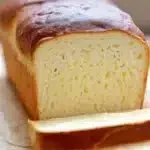
Gluten Free Japanese Milk Bread
Soft, pillowy Japanese milk bread adapted to be gluten free, using the tangzhong technique for a melt-in-your-mouth texture.
- Total Time: 125 minutes
- Yield: 10-12 slices 1x
Ingredients
- 100 g rice or tapioca starch (for tangzhong)
- 100 g water (for tangzhong)
- 100 g milk (for tangzhong)
- 250 g gluten-free flour blend
- 1 tsp active dry yeast
- 1 egg
- 50 g sugar
- 1 tsp salt
- 30 g butter, softened
- 1 tsp xanthan gum or 6 g psyllium husk powder (binder)
Instructions
- Prepare tangzhong by whisking the starch with water and milk, then cook until it thickens.
- Mix the tangzhong with gluten-free flour blend, yeast, milk, egg, sugar, salt, butter, and xanthan or psyllium.
- Knead the dough until cohesive, about 6–8 minutes in a stand mixer on low-medium speed.
- Let the dough rise in a warm place until slightly puffy, about 45–60 minutes.
- Divide the dough into three or four pieces and shape into cylinders.
- Place the shaped dough in a greased loaf pan and proof until nearly doubled in size.
- Brush with egg wash and bake at 350°F for 30–35 minutes until the internal temperature reaches 195–200°F.
Notes
For best results, ensure proper tangzhong consistency and proof in a warm, draft-free area.
- Prep Time: 90 minutes
- Cook Time: 35 minutes
- Category: Bread
- Method: Baking
- Cuisine: Japanese
- Diet: Gluten Free
Nutrition
- Serving Size: 1 slice
- Calories: 150
- Sugar: 4g
- Sodium: 200mg
- Fat: 5g
- Saturated Fat: 2g
- Unsaturated Fat: 3g
- Trans Fat: 0g
- Carbohydrates: 25g
- Fiber: 2g
- Protein: 4g
- Cholesterol: 30mg